
Introduction
Becoming a game developer is a dream for many people, but making a living from games can feel almost impossible, especially in a highly competitive industry. I still remember the beginning of my own journey very clearly, even though it started back in 2019. The early years were full of mistakes, failed ideas, and projects that never reached the finish line.
Since then, I have developed multiple games, worked with several game development studios, and eventually founded my own game development studio in 2024. This article is based on my personal experience and is meant to help you start your own journey with a more realistic mindset, better direction, and fewer unnecessary mistakes.
In short, becoming a game developer requires a mix of technical skills, creativity, persistence, and practical industry knowledge. In this guide, I will walk you through the most important steps, from choosing a game engine to building your first projects and portfolio, so you can start moving in the right direction.
Do You Need a College Degree to Become a Game Developer?
Let’s start with one of the most common questions: Do you need a degree to become a game developer?
The answer is simple: no, you do not need a college degree to become a game developer. In fact, I completed my degree only after I was already working in game development, because I personally chose to, not because it was required.
What matters most is your passion, your willingness to keep learning, and the quality of your portfolio. A degree can help in some situations, but it is absolutely not the thing that will decide whether you succeed in game development. Skills, finished projects, and persistence matter much more.
Now that we have that out of the way, let’s get into the actual steps.
Step 1: Choose the Right Game Engine
Choosing your game engine is one of the most important decisions at the beginning of your journey. Your engine will influence what tools you use, what programming language you learn, and what type of games you can build most effectively.
There are many engines on the market, including open-source options, but for most beginners the three biggest choices are Unity, Unreal Engine, and Godot. The good news is that this decision is not permanent. As you grow, you will most likely learn multiple engines over time.
The key is to choose the engine that fits the type of game you want to make right now, not the giant dream project you hope to build many years from now.
Unity
Unity is one of the most popular engines for beginners and indie developers. It uses C# for scripting, has a beginner-friendly interface, and offers a huge amount of tutorials, documentation, and community support.
It is great for both 2D and 3D development, but in my opinion its biggest strength is mobile game development. If your goal is to make mobile games, Unity is still one of the strongest choices. It is flexible, mature, and gives you access to everything you need to build and ship games across multiple platforms.
Unreal Engine
Unreal Engine is known for its high-end visuals and powerful tools. It uses C++ and also offers Blueprints, a visual scripting system that can make certain workflows easier, especially at the start.
If your main goal is to create visually advanced PC or console games, Unreal can be an excellent choice. However, it is generally more complex than Unity, so it may feel heavier for complete beginners. Still, if you are serious about large-scale 3D games and realistic environments, Unreal is worth considering.
Godot
Godot has become increasingly popular thanks to its open-source nature and fast-growing community. It primarily uses GDScript, but it also supports other languages, including C#.
Godot is a very interesting engine, especially for indie developers who value open-source technology. That said, it still has some limitations compared to Unity or Unreal, particularly in areas like mobile monetization and console publishing. It is a strong engine, but depending on your goals, those limitations may matter.
Step 2: Learn the Basics
Programming
Once you have chosen your engine, the next step is to learn the basics of programming. This can feel intimidating at first, but you do not need to master everything before you start making games.
Focus on the fundamentals first:
Variables
Conditions
Loops
Functions
Classes and object-oriented thinking
Whether you are learning C#, C++, or GDScript, the principles are very similar. Platforms like YouTube, Udemy, and official documentation are more than enough to get started.
The most important part is simple: practice consistently. Watching tutorials helps, but real progress comes from actually building things.
Game Engine Environment
Learning programming and learning your engine usually happen at the same time. As you follow tutorials, experiment with scenes, build small mechanics, and solve problems, the editor environment will slowly become familiar.
Do not overthink the engine interface too much in the beginning. You do not need to understand everything at once. Most of it will become natural through repetition and hands-on project work.
Step 3: Start With Small Projects
This is one of the most important pieces of advice I can give: start small.
Most beginner developers want to build their dream game immediately. I made the exact same mistake. My first serious project was a MOBA, and I spent around two years on it even though I did not yet have the skills or resources to finish it.
Only after I moved on to smaller, simpler projects did my skill level improve much faster. Years later, I was actually able to build a working 3v3 MOBA, but by then I had the experience to understand what was realistic and what was not.
If you are just starting out, build games that are:
Small in scope
Easy to finish
Focused on one core mechanic
Good enough to teach you something practical
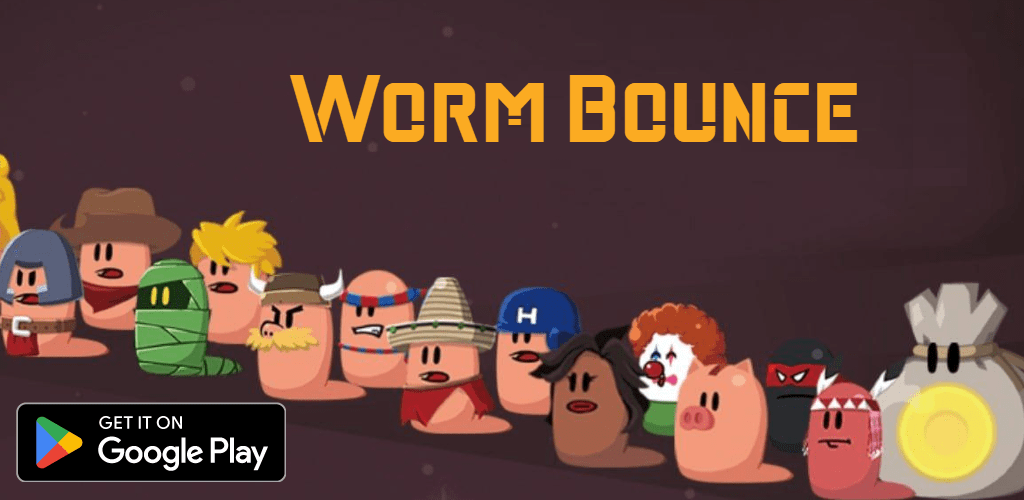
Worm Bounce gameplay – available on Google Play
For example, one of our smaller but catchy games is Worm Bounce, available on Google Play. Projects like this are a good reminder that simple games can still be fun, valuable, and worth finishing.
Step 4: Do Not Overthink Everything
Another common trap is overthinking every decision during development.
When you are building your first games, focus on the minimum version that can actually be released. Do not design extra systems before you have even finished the core gameplay. Release first, then improve later.
A small finished game is always more valuable than a huge unfinished one.
Step 5: Persistence Is Everything
If I had to choose one trait that matters most in game development, it would be persistence.
When you start a project, do your best to finish it. Even if the final version is small or imperfect, completing it builds an incredibly important habit. You become someone who finishes what they start.
What to Include in Your Portfolio
Completed Projects: Show your best work, including playable builds, trailers, or screenshots.
Source Code: Share selected projects on platforms like GitHub if possible.
Documentation: Include devlogs, notes, or breakdowns to show your thinking.
Step 6 (Optional): Get a Job in Game Development
This step is optional, because not everyone wants to work for a studio. Some people prefer the indie path from the beginning.
That said, working in a professional game studio can accelerate your growth significantly. You gain real production experience and improve much faster.
Conclusion
Becoming a game developer is not easy, but it is absolutely possible. You do not need a perfect background, a degree, or a huge budget to start.
Start by choosing the right engine, learn the fundamentals, build small projects, and focus on consistency. Over time, your skills and opportunities will grow.
If I could give my younger self one final piece of advice, it would be this: stop waiting for the perfect moment and start building now.
Thanks for reading this guide on how to become a game developer. If you have any questions, feel free to contact me.